No articles found matching your search.
India-UK CETA and the Future of India's Agri-Food Exports
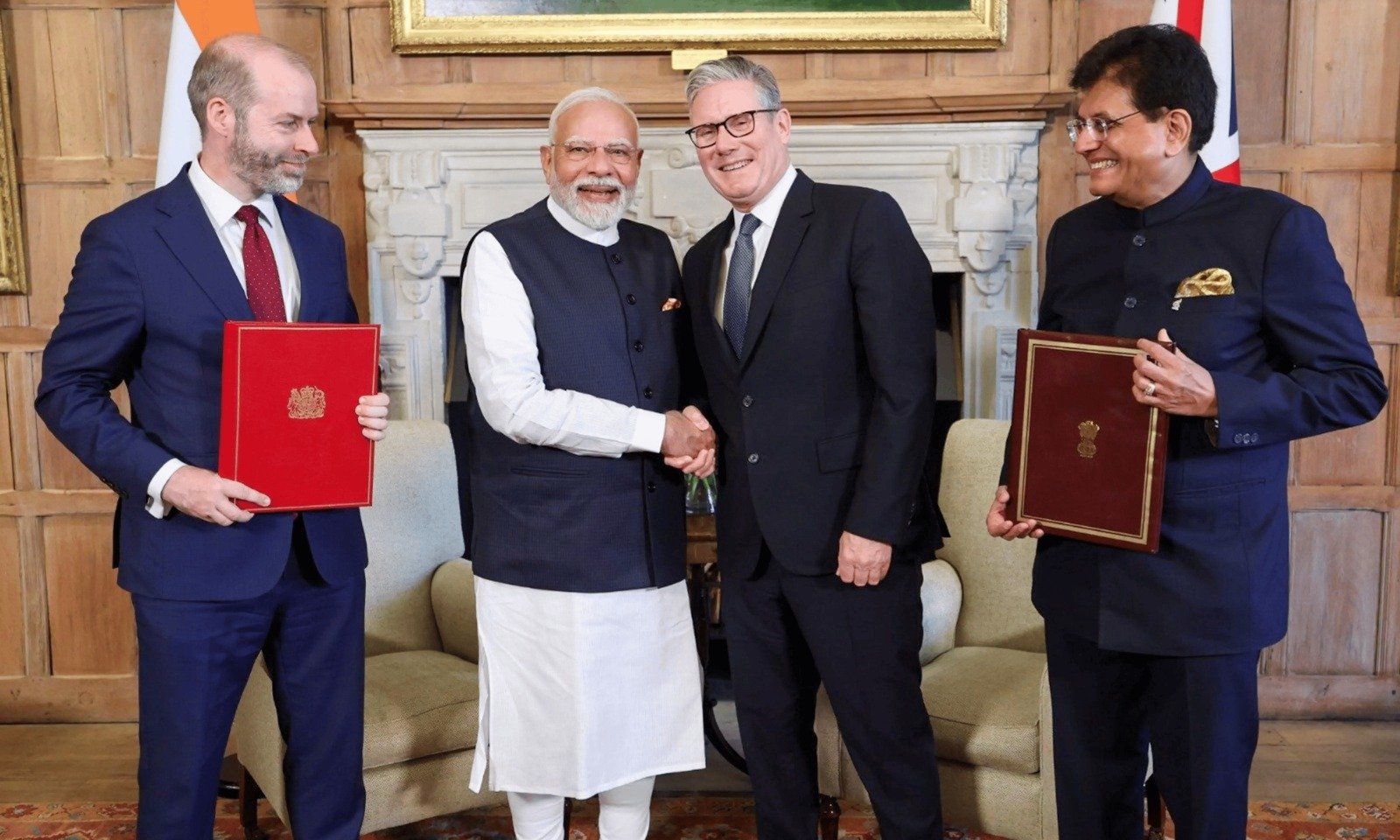
The India–United Kingdom
Comprehensive Economic and Trade Agreement (CETA),
after a series of rigorous negotiations and extensive ratifications, came into
force on July 15, 2026. More than a bilateral market-access arrangement, the trade
deal represents an institutional framework designed to deepen economic
integration between two complementary economies while responding to an increasingly fragmented global
trading landscape.
OECD-FAO Outlook 2026-2035: Farm Incomes, Trade Risks
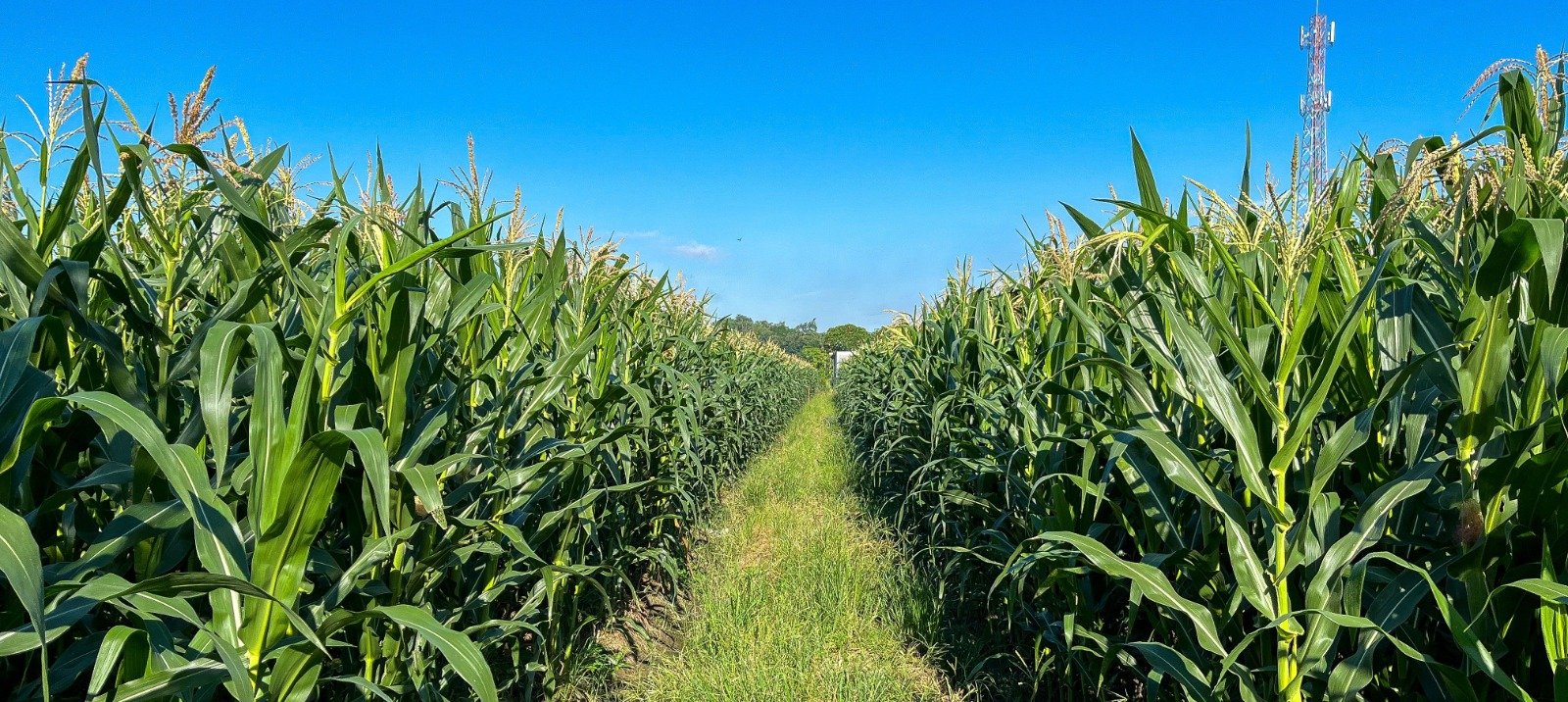
The OECD-FAO Agricultural Outlook 2026-2035 projects higher average farm incomes, broadly stable real commodity prices, and continued growth in food demand, but it also highlights persistent inequality, rising agricultural emissions, and the disproportionate vulnerability of low-income countries to energy and fertiliser shocks.

FAO-WFP Hunger Hotspots 2026 and the Crisis of Global Food Governance
Food
insecurity is frequently portrayed as a humanitarian challenge requiring
emergency assistance, nutritional support and international relief operations.
While these dimensions remain critically important, such a perspective
increasingly understates the broader significance of contemporary food crises.
In an interconnected global economy, food insecurity has evolved beyond a
development concern into a systemic risk capable of influencing trade flows,
commodity markets, inflation dynamics and geopolitical stability.
BRICS Indore Declaration 2026: A Blueprint for Climate-Resilient Farming
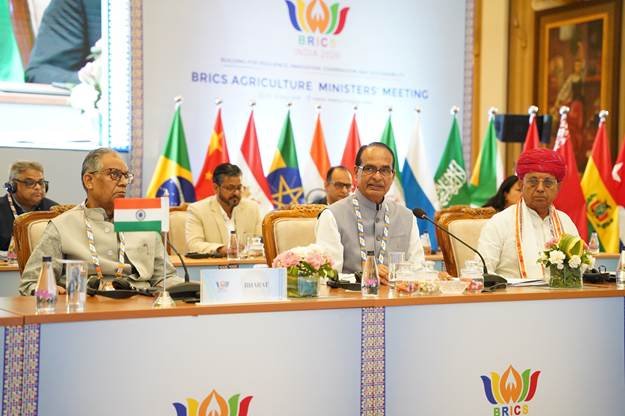
The Indore
Declaration was unanimously adopted on June 13, 2026, marking the end of the
16th BRICS Agriculture Ministers' Meeting in Indore. A systematic commitment by
eleven member countries, each with different farming landscapes, political
systems, and economic development levels, to realign global agriculture towards
food security, sustainable farming, digital innovation, and smallholder
welfare.
India-EU Free Trade Agreement (FTA): What it Means for the Indian Agri-Food Sector
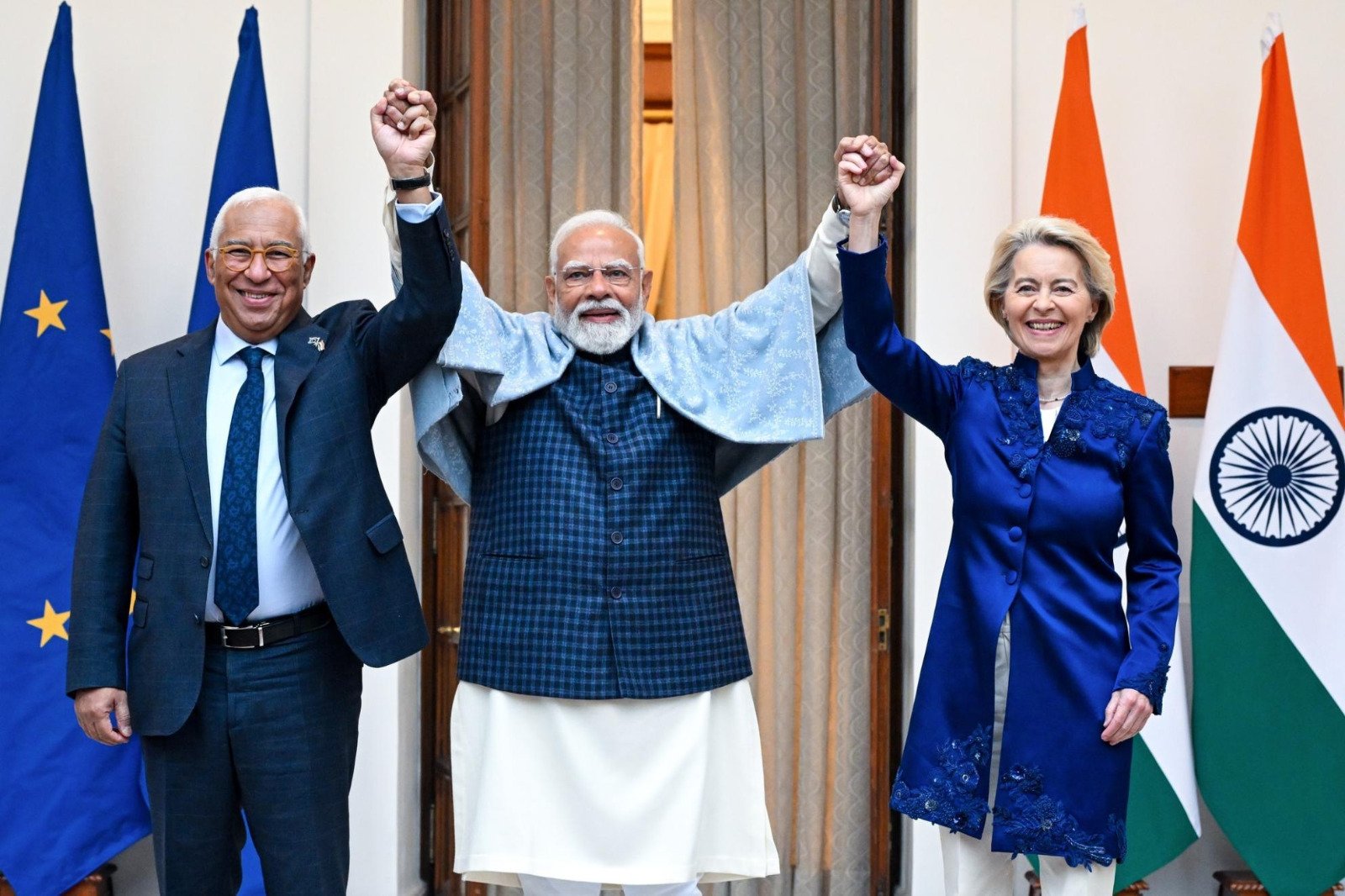
The India-European Union (EU)
Trade Agreement is a landmark free trade agreement that is coming after
almost two decades of its initiation. The agreement covers the traditional
areas like trade in goods, services, trade remedies, rules of origin, customs,
and trade facilitation, as well as emerging areas like SMEs and digital trade,
amongst others.