No articles found matching your search.
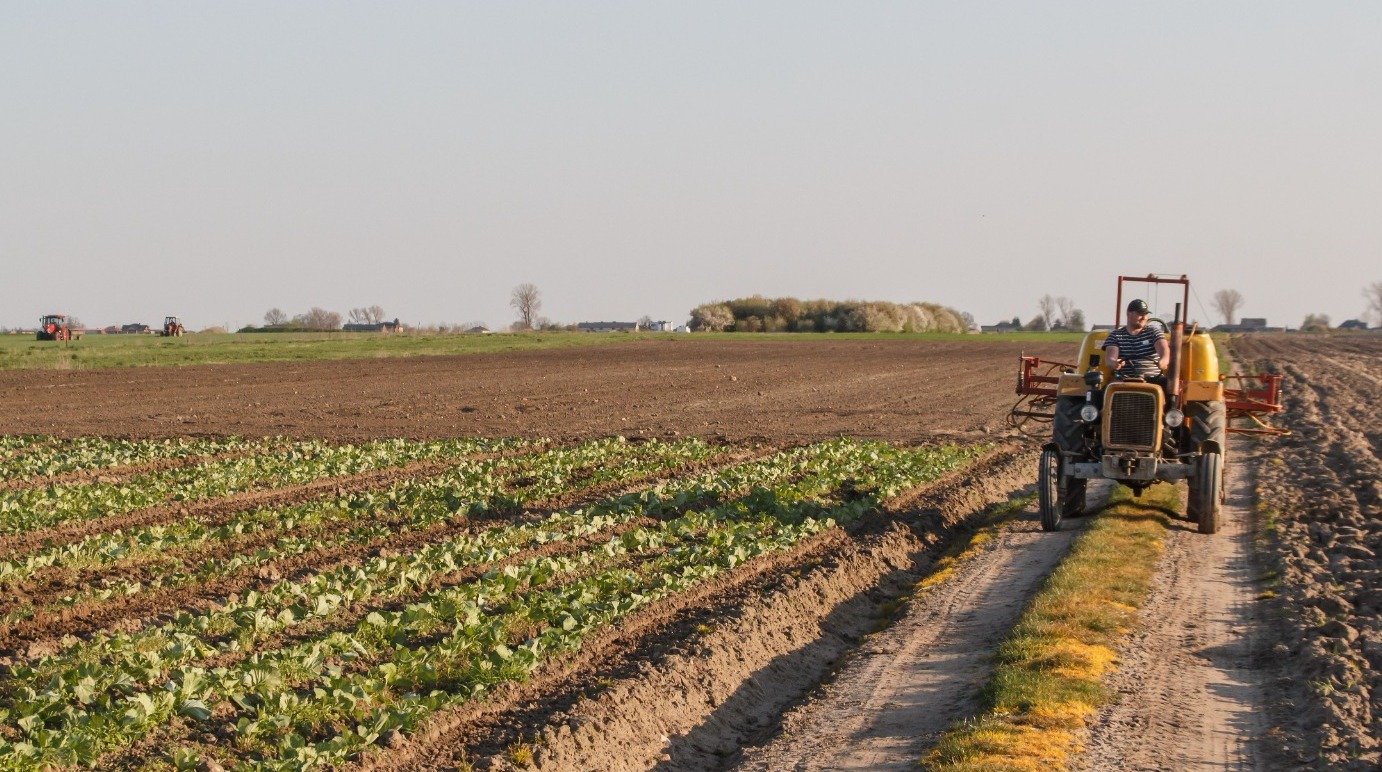
Climate Change and Indian Agriculture: Rewriting the Agrarian Compact
Climate change is fundamentally altering the risk environment within which Indian agriculture operates. Rising temperatures, changing rainfall patterns, prolonged dry spells, floods, heat waves and increasing water stress are affecting crop productivity, farm incomes and the reliability of India's food system. The challenge is particularly significant because agricultural production remains closely tied to climatic conditions, while large parts of the country's cultivated area continue to depend on rainfall.
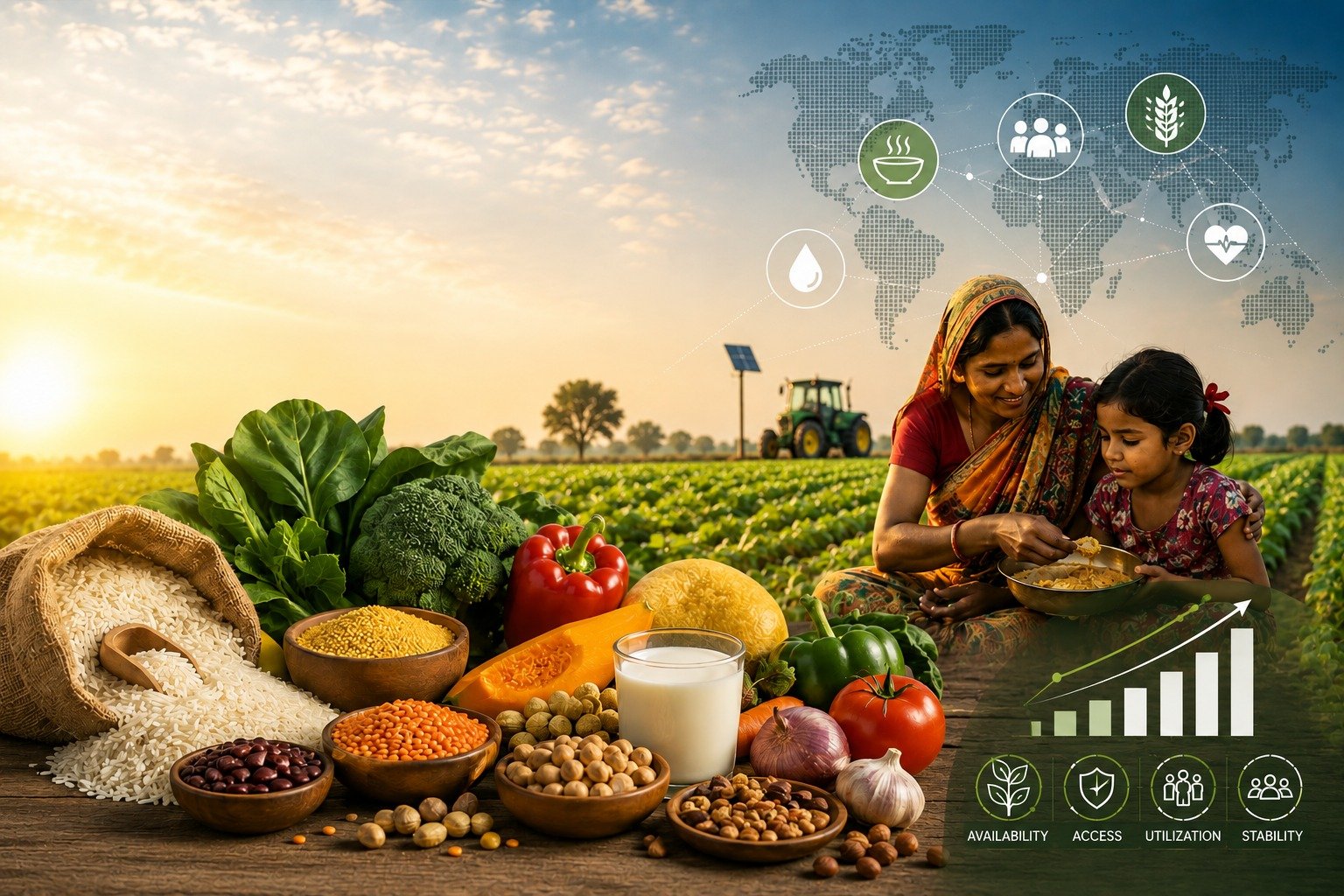
SOFI 2026: Why Affordability, Not Availability, Is Now the Real Zero Hunger Problem
The State of Food Security and Nutrition in the World (SOFI) 2026, released jointly by FAO, IFAD, UNICEF, WFP and WHO, arrives with a message that is,
on its face, encouraging: global hunger has fallen for a third consecutive
year, and Africa's decade-long deterioration appears to have halted. But
beneath these headline numbers lies a more unsettling finding, one that
reframes the entire food security debate away from availability and toward
affordability.

El Niño, Indian Monsoon and Agricultural Production 2026-2027
India's agricultural landscape is shaped by a complex interplay of climatic, geographical, socio-economic and institutional factors, among which the southwest monsoon remains the single most influential determinant of agricultural performance. Despite sustained investments in irrigation infrastructure, mechanisation, improved seed varieties and other technological advancements since the Green Revolution, approximately 52per cent of the country's net sown area continues to depend on rainfall. Consequently, a substantial share of agricultural production remains exposed to fluctuations in the timing, intensity and spatial distribution of monsoon precipitation, reinforcing the sector's sensitivity to climatic variability.
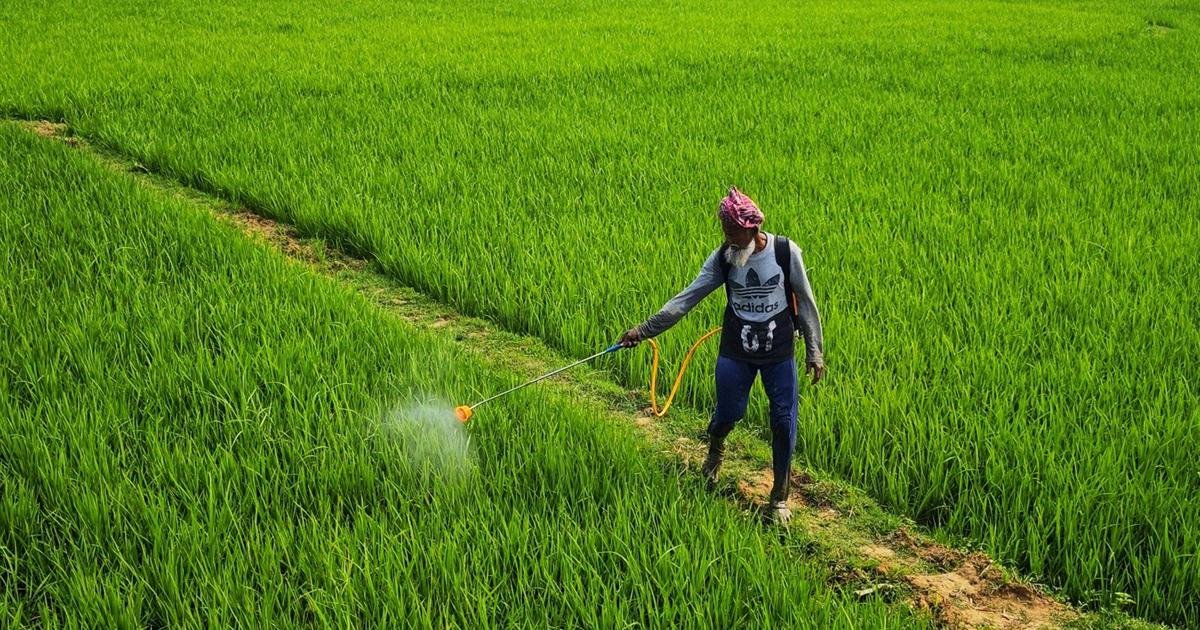
Maximum Residue Limits and India's Export Competitiveness
India’s Green Revolution during the period 1965-85 transformed a famine-prone nation into a global food exporter. The introduction of high-yielding seed varieties, synthetic fertilizers such as urea and DAP, and broad-spectrum pesticides exponentially raised crop yields in Punjab, Haryana, and Western UP. Wheat production surged from 11 million tonnes in 1960–61 to over 75 million tonnes by 2010, followed by a similar trajectory of rice.
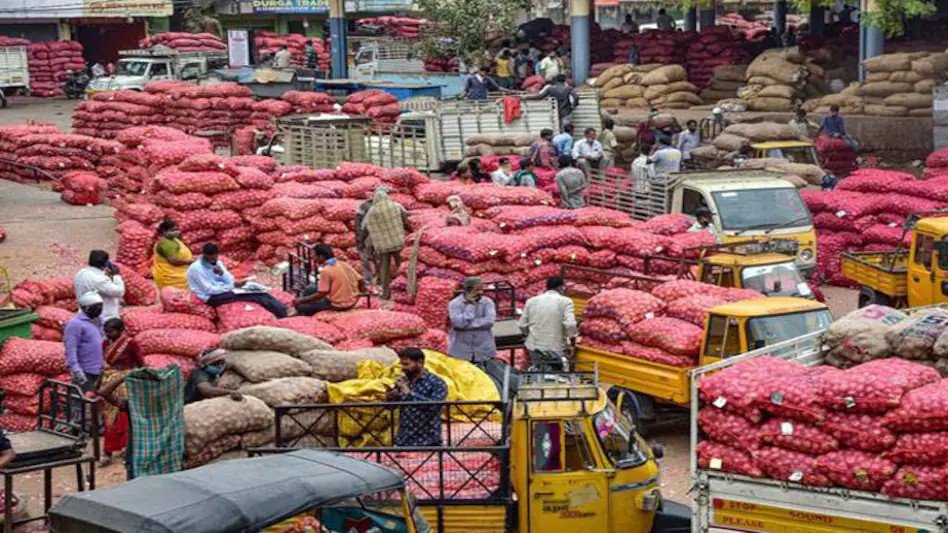
e-NAM at Ten: The Limits of Digital Solutionism in Agricultural Market Reform
India's agricultural market architecture has been predominantly governed at the state level under individual Agricultural Produce Market Committee (APMC) Acts, creating a structurally fragmented ecosystem of approximately 7,690 regulated mandis — significantly below the National Commission on Farmers' recommendation of 42,000 mandis, or one per 80 square kilometers of arable land. Within this framework, traders also required state-specific licences, market fees are levied at multiple points of transaction, and farmers are legally bound to sell within designated market areas. In Punjab, for instance, cumulative mandi levies on a transaction can exceed 8.5% of the transaction value.
.jpeg)
Evaluating the World’s Largest Grain Storage Plan: Catalyst for Rural Resilience and Food Security
For decades, India’s agricultural narrative has been defined
by a jarring paradox: record-breaking harvests shadowed by staggering
post-harvest losses. While the Green Revolution effectively dismantled the
production crisis, the preservation crisis has remained a persistent Achilles'
heel for the world's most populous nation. Today, however, a profound systemic shift is gradually taking root.
With the strategic rollout of the World’s Largest Grain Storage Plan in the
Cooperative Sector, the Union Ministry of Cooperation is executing a
sophisticated fiscal and logistical manoeuvre by pivoting away from massive,
centralized silos in favour of a hyper-local, decentralized network of Primary
Agricultural Credit Societies (PACS).
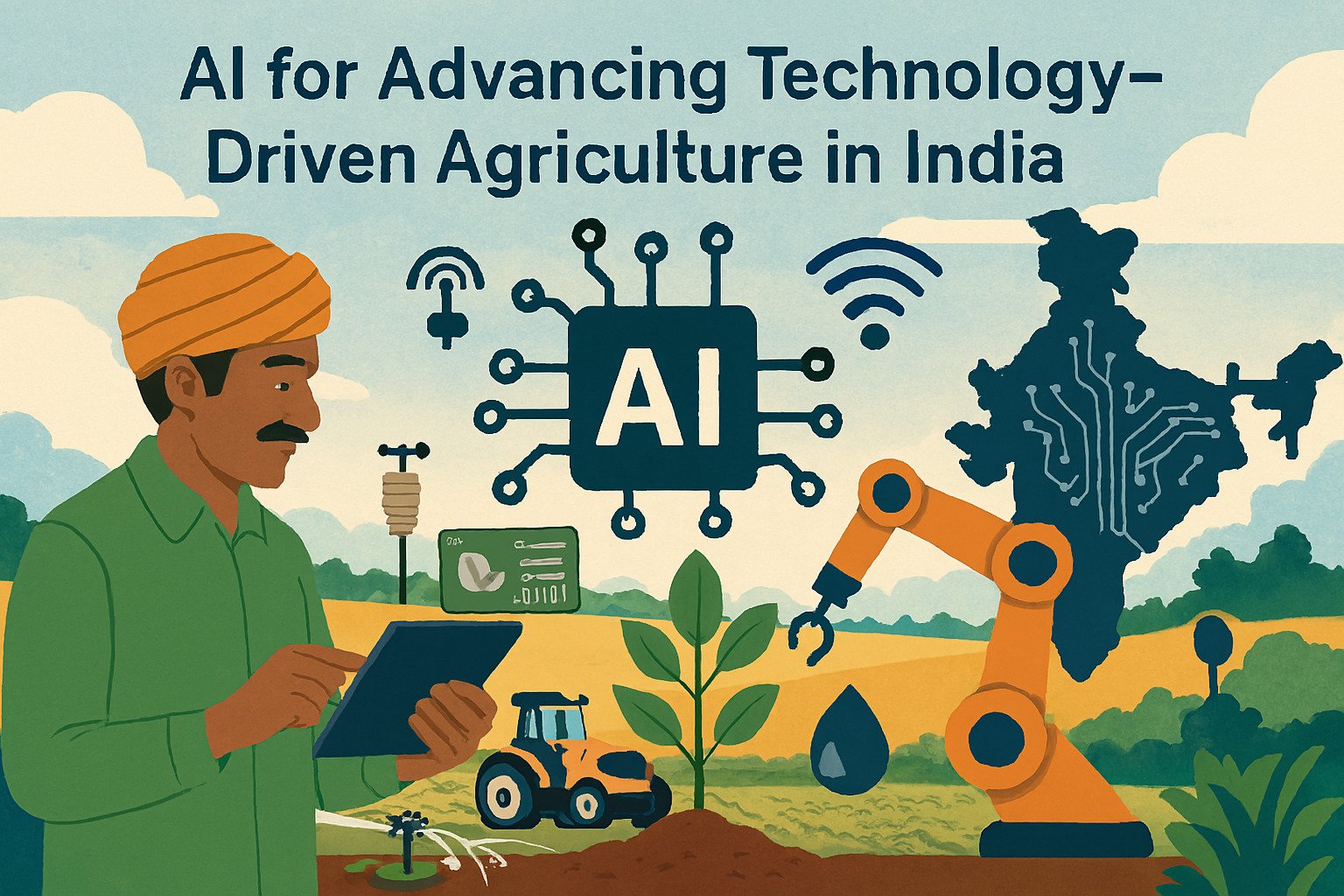
AI for Advancing Technology-Driven Agriculture in India
The financial year 2026-27 budget allocation for the development of AI (Artificial Intelligence) in agriculture indicates the government’s intention to keep up with the global trends in agriculture and commitment to innovating in a technology-driven era of farming.